We’ve all seen that presenter – the one demanding phones be turned off and stashed away. They learned the hard way that groans and mass exodus are poor engagement metrics.
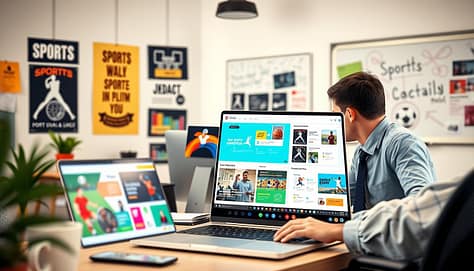
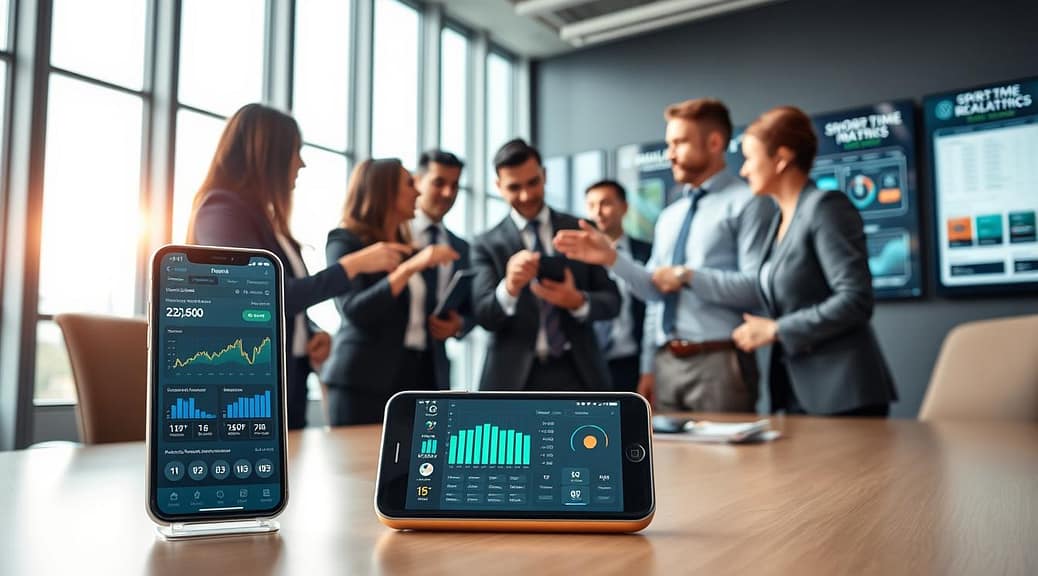
But here’s the twist: those glowing rectangles aren’t your enemies. They’re your unexpected allies in the presentation arsenal.
Think about it. We’re living in the age of second-screen experiences. Research shows 87% of consumers use smartphones as second screens during television viewing. Why should conferences be any different?
When your content captivates, attendees aren’t tuning out. They’re sharing your brilliance and digging deeper into concepts. Retention rates can increase by 60% when attendees use devices for engagement.
It’s like trying to fight the tide with a teaspoon. Why resist when you can ride the wave? Modern mobile technology integration turns possible distractions into powerful engagement tools.
Tablets provide superior audio equipment compared to smartphones. Zoom relays audio with virtually no loss in quality. This makes them perfect for today’s digital meetings.
Device Selection: iOS vs. Android
Choosing between Apple and Android is like picking between Marvel and DC universes. Each has its own fans and ways of doing things. The key question is which one fits your mobile sports tech needs better.
iOS devices are known for their smooth, seamless experience. It’s like a well-organized art gallery. They are reliable, but sometimes pricey. iPads work great for Zoom meetings, making them perfect for coaches who need dependability.
Android offers more freedom and customization. It’s like the wild west of mobile tech, where you can make it your own. With many hardware options, there’s something for every budget.
The 2014 iPad sales drop was not due to quality issues. It was about longer upgrade cycles. Today’s tablets are powerful, with up to 512GB storage. They’re light, making them great for coaches on the move.
Ultimately, the choice depends on your team’s needs. Do you like Apple’s controlled environment or Android’s flexibility? Both have their strengths for digital meetings and collaboration. It’s about finding the right tool for your team.
Best Practices: Sharing & Annotations
Imagine turning your presentation into a team effort. This is what happens when you share and annotate well in digital meetings.
Studies show a 40% better memory when slides are on personal devices. Why? It’s because we learn better when we can see things clearly, not squinting at a screen.

Now, let’s talk about anonymous questions. They make everyone feel like a genius. Even the quietest person can ask questions without fear. It’s like giving everyone a voice without the worry.
But, some speakers are very protective of their slides. The answer isn’t to hide them. It’s about scheduled releases that let everyone in while keeping the drama.
Best practices for annotation-driven sessions:
- Enable real-time markup capabilities on shared content
- Use color-coded annotation tools for different participant groups
- Implement save-and-share features for post-session reference
- Create temporary anonymous channels for sensitive topics
In mobile sports tech, these methods are super effective. Coaches can draw up plays on tablets while players add their thoughts live. It’s like a playbook that changes during breaks.
Think of slides as something to work on together, not just to look at. It’s like sharing notes in class, but these notes help everyone learn more.
It’s all about finding the right balance. You want to be open enough to get everyone involved, but also keep things moving smoothly. When done right, everyone leaves the meeting smarter than when they came in.
Screen Mirroring & Live Edits
Remember when sharing your screen was like tech support for everyone? Those days are over. Now, tablets and smartphones make screen sharing easy and magical.
Devices now show content in 1080p resolution on Zoom. It’s like having a mini cinema in your pocket. Most tablets’ cameras record at 720p, making text on whiteboards clear from the back.
Live editing is a big change. Imagine your team editing documents together in digital meetings. It’s like Google Docs joined your brainstorming.
Here’s why this matters:
- No more “I’ll email that to you later” promises
- Instant feedback loops during creative sessions
- Automatic post-meeting distribution of materials
The system emails slides and documents after presentations. Brilliant ideas won’t get lost. It’s meeting productivity and digital preservation combined.
This tech makes viewers into active participants. Your team can zoom in on details and collaborate in real-time.
It’s like the difference between watching a cooking show and helping chop vegetables. Engagement goes up when everyone can contribute.
Modern screen sharing has solved yesterday’s tech problems. No more HDMI cable dances or driver updates during presentations. Your smartphones and tablets work together smoothly.
These tools have changed digital meetings. They’ve made presentations dynamic and collaborative. The future conference room is already in your pocket.
Use Cases: Game Planning
Who knew making corporate training fun could work? Welcome to mobile sports tech, where games boost engagement.
Remember that gaming conference that turned training into a quiz show? They got an astonishing 84% participation rate. That’s incredibly high.

Trivia games before events are a game-changer. They make even boring content exciting. Suddenly, people pay attention to important details.
Here’s why this mobile sports tech approach works:
- Smartphones and tablets make it easy to join in
- Our competitive nature helps us get past boring content
- Instant feedback keeps everyone engaged
The best part? You don’t need any special gear. Just people’s natural desire to win.
Next time you plan an event, think: could this be a game? Your audience’s smartphones are ready to make it fun.
Security Tips
Think of your tablets as digital bouncers with PhDs in cybersecurity. They check IDs and scan for threats while keeping the party going. This is the magic of modern mobile sports tech security.
Tools like Samsung Knox Configure turn tablets into secure devices. They update software automatically and only download approved apps. It’s like having a digital bodyguard for every device.
Configuration flexibility is key. Need devices for multiple meetings? Tight settings prevent them from being kept. Want to give them as gifts? One-time settings make it easy.
Geo-fencing adds extra protection. It’s like creating digital force fields around your event space. Tablets become useless if taken outside designated areas – perfect for secure events.
Here’s a pro tip: avoid sketchy Wi-Fi. Set devices to update themselves. They’ll stay secure even without constant internet. This keeps your digital meetings safe.
| Security Feature | Reusable Devices | One-Time Gift Devices | Geo-Fenced Devices |
|---|---|---|---|
| Application Control | Full lockdown | Post-transfer freedom | Location-based access |
| Update Method | Automatic self-update | Single configuration push | Connection-independent |
| Security Level | Maximum protection | Controlled transfer | Physical boundary based |
| Ideal Use Case | Team training sessions | Player gifts | Stadium events |
Modern mobile sports tech shouldn’t feel restrictive. The right security setup protects data while encouraging collaboration. It’s about smart safeguards, not digital handcuffs.
Security isn’t about saying “no” to everything. It’s about saying “yes” to the right things while keeping threats outside. Your tablets become trusted collaborators, not vulnerable liabilities.
Troubleshooting
Expecting flawless technology at events is like expecting Congress to pass a budget on time. It’s theoretically possible, but you’d better have a backup plan. When your digital meetings hit technical snags, panic isn’t a strategy – preparation is.
Venue Wi-Fi often performs like a middle school band: occasionally brilliant, mostly disappointing. Smartphones and tablets shouldn’t require constant connectivity to function. The smart approach? Build systems that work offline and sync when they can, not when they must.
When things go wrong – and they will – attendees don’t want to hear about packet loss or DNS resolution. They want solutions. Fast. Your troubleshooting toolkit should include:
- Quick device reconfiguration protocols
- Offline functionality for critical features
- Simple restart procedures even non-techies can follow
- Backup content delivery methods (hello, good old USB drives)
The goal isn’t preventing every problem – that’s like trying to stop gravity. The real win comes from minimizing impact when technology inevitably stumbles. Your recovery time matters more than your uptime percentage.
| Common Issue | Quick Fix | Prevention Strategy |
|---|---|---|
| Wi-Fi dropout | Switch to offline mode | Pre-load content on devices |
| App freezing | Force restart application | Regular updates before events |
| Sync failures | Manual data entry option | Redundant connection methods |
| Battery drain | Portable chargers on standby | Pre-event power management check |
| Login issues | Quick password reset tool | Simplified authentication process |
Remember: Your attendees aren’t IT professionals. They’re there for content, not technical challenges. When their screen freezes or an app crashes, they’ll look to your team for help, not explanations.
The best digital meetings aren’t those with zero problems – they’re the ones where problems get solved so quickly that nobody notices something went wrong. That’s the real art of troubleshooting: making recovery look like perfection.
Build your systems with resilience, not just reliability. Because in the world of event technology, Murphy isn’t just watching – he’s taking notes.
Conclusion
So where does this leave us in our digital dance with devices? At the intersection of acceptance and optimization.
The conclusion isn’t revolutionary, but it is liberating: stop fighting mobile sports tech and start leveraging it. Those glowing rectangles aren’t distractions; they’re engagement amplifiers for digital meetings. The data doesn’t lie – when we embrace, retention rates soar.
Smartphones and tablets are the Goldilocks solution. They’re not too heavy like laptops, not too small like phones, but just right for mobile collaboration. Tablets are the perfect compromise for professionals on the move.
The future isn’t about eliminating screens from meetings; it’s about integrating them so seamlessly they enhance human connection. The best technology doesn’t replace interaction – it facilitates it.
So go ahead – let those devices shine. Your audience engagement metrics will show the difference.